When Did It Really Start?
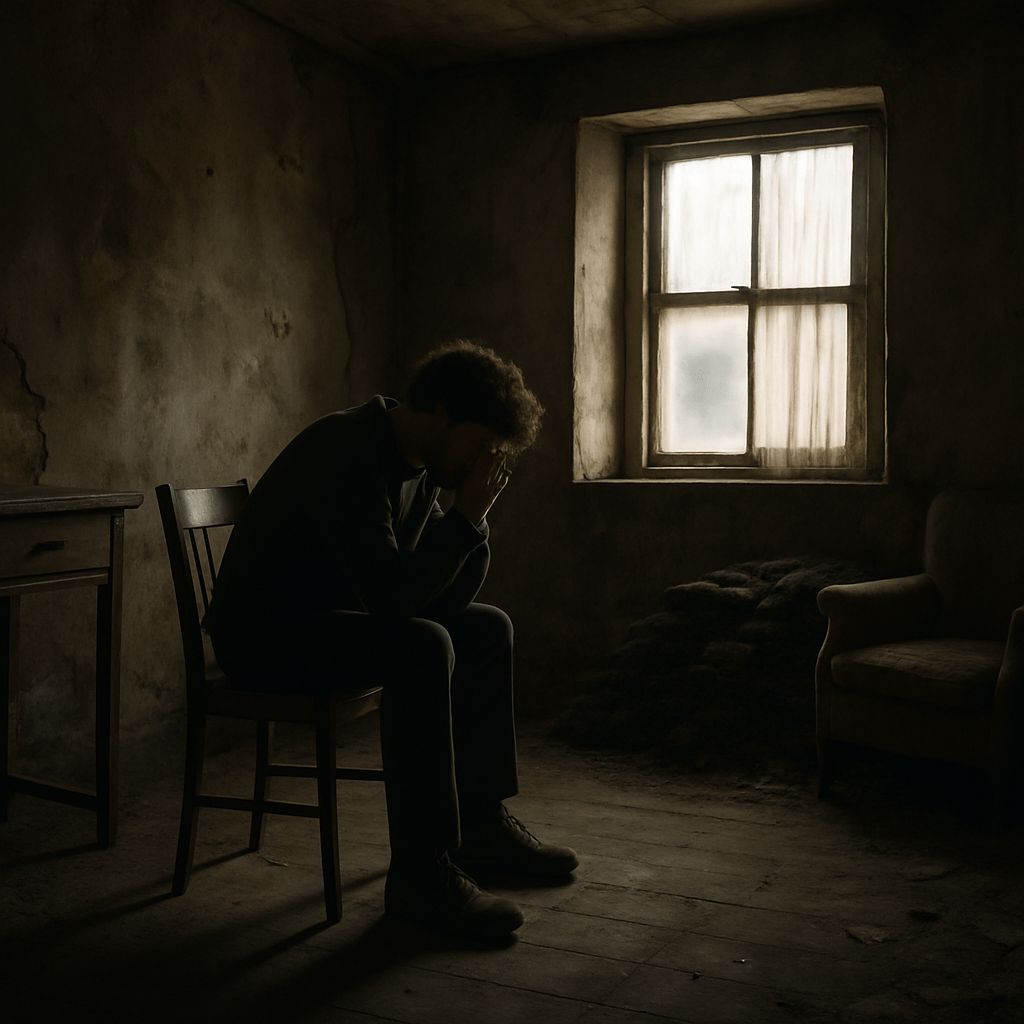
Lately, I’ve been asking myself a question I’m not sure I can fully answer: When did all this really start? The dysfunction. The self-doubt. The feeling that no matter what I did, it would never be good enough. I don’t have a date or a moment. But I know it goes back, way back. Childhood, for sure.
I was a child who learned early to be careful. To be quiet a lot. To not expect warmth or safety. My father was emotionally unavailable, his only real emotion was anger. He was aloof, unpredictable and sometimes intimidating. He wasn’t someone you could run to for comfort. He was someone you learned to avoid triggering.
My mother, on the other hand, was obsessed with appearances. What the neighbors thought. What the parish thought. What people thought. Behind closed doors, things were messy, cold and disconnected – but in public?
We were the perfect family. Well-dressed. Mass every Sunday. Polite, smiling, compliant children (except me!). Holy Communion was an event. Not for the spiritual meaning but for the display. Everything had to be picture-perfect. Never mind what was actually happening at home.
I didn’t grow up in a house with real love. I grew up in a house where image was everything. Where feelings were inconvenient, vulnerability was weakness and the truth was a liability. No one hugged. No one said ‘I love you’ and meant it in a way that felt safe or real.
No one asked how you were, only why you weren’t doing better. You were scolded for crying, mocked for dreaming and invisible if you were struggling. And the worst part? As a kid, you think it’s normal. You think you’re the problem. You try harder. You shrink smaller. You become hyper-aware of everyone else’s moods because your safety depends on it.
I learned to read a room before I could fully read a book. I learned that my worth was conditional, on how useful I was, how invisible I could be or how good I made others look. This kind of upbringing leaves a mark. Not always a visible one, but a deep one.
It shows up in adulthood in strange ways, over-explaining yourself, fearing conflict, choosing the familiar even when it’s painful, doubting your own instincts and struggling to trust.
Some of us grew up in houses that looked fine on the outside but were cold, tense or downright toxic on the inside.
If that’s you – I see you. I understand. If you’re still unpacking it decades later – you’re not weak, you’re brave.
If you’ve spent years trying to ‘get over it’ but it keeps resurfacing, maybe it’s not something to get over. Maybe it’s something to finally tell the truth about it. I’m starting to tell mine. And I’m not doing it to blame or wallow but to breathe. To break the silence. To stop protecting the very people and systems that never protected me.
Because pretending doesn’t heal anything. But truth? Truth sets things in motion.
So this is where I start – not with blame, not with drama but with truth.
I’m not telling this story to tear anyone down. I’m telling it to stop tearing myself down.
Because silence never saved me.
And pretending only protected the lie.
If you grew up in a house like mine, polished on the outside, painful on the inside – know this:
You’re not crazy. You’re not overreacting. You were just never allowed to feel safe enough to say it.
But you can say it now.
I am.
And if my truth resonates with you, maybe it’s time to start speaking yours too.


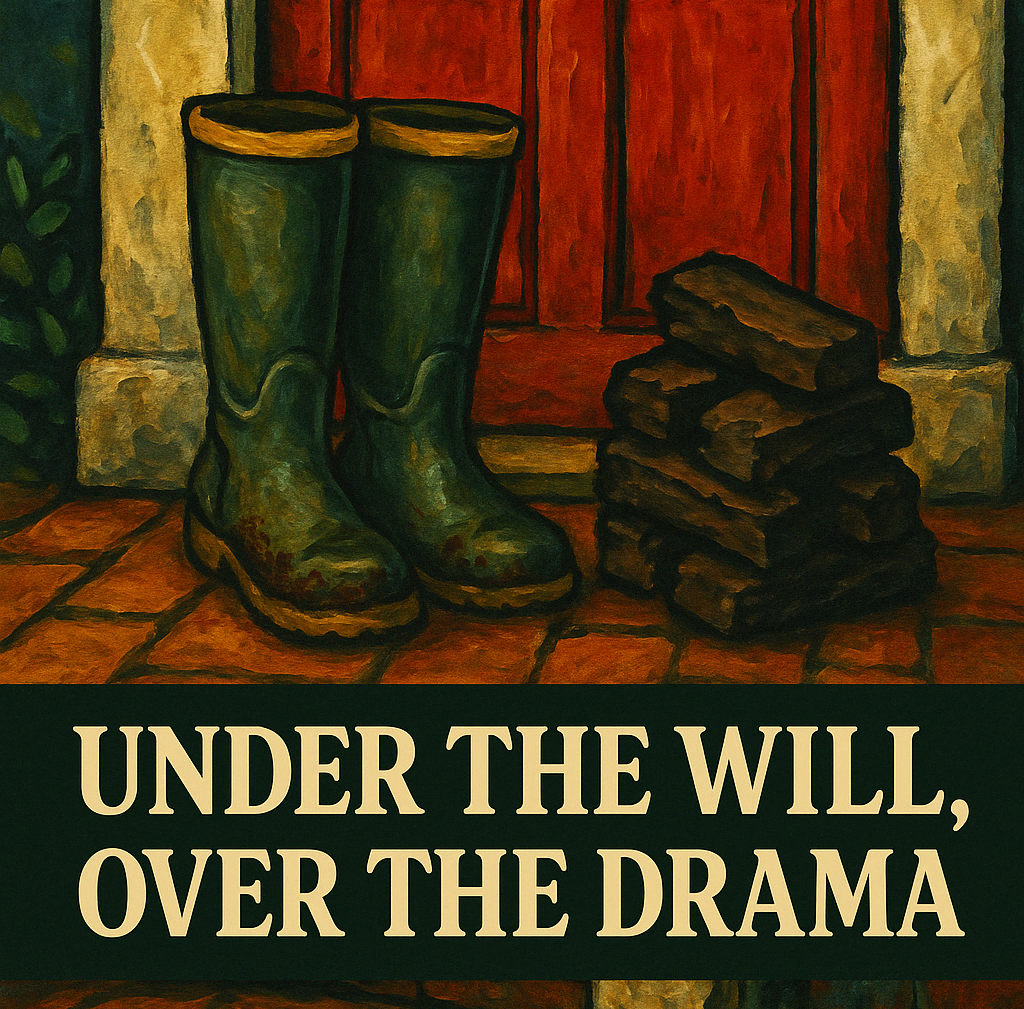
 UNDER THE WILL... OVER THE DRAMA...
Leave a comment